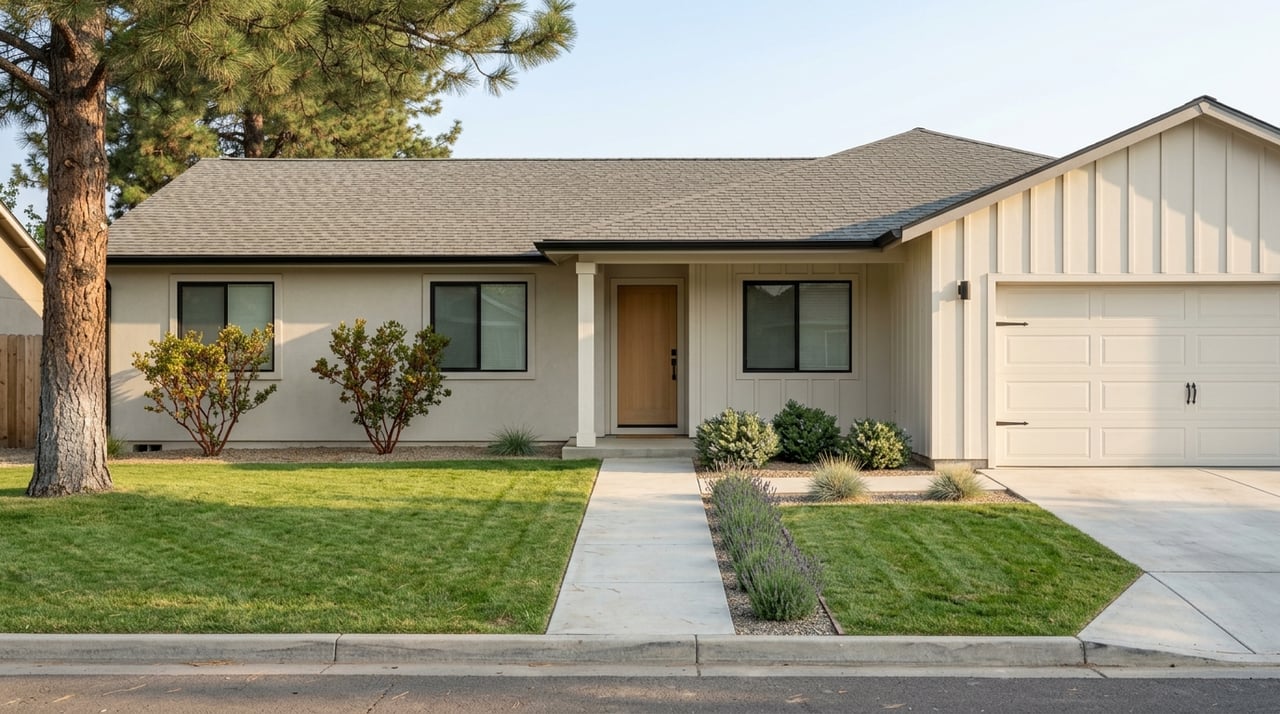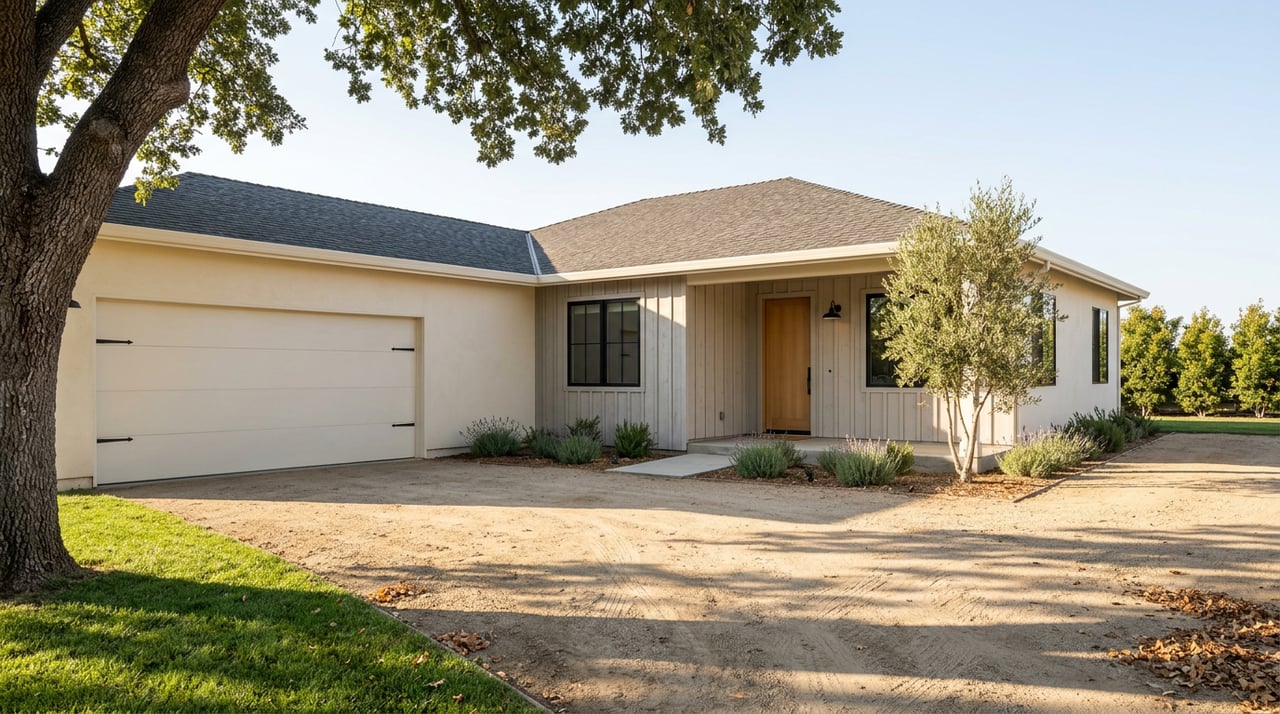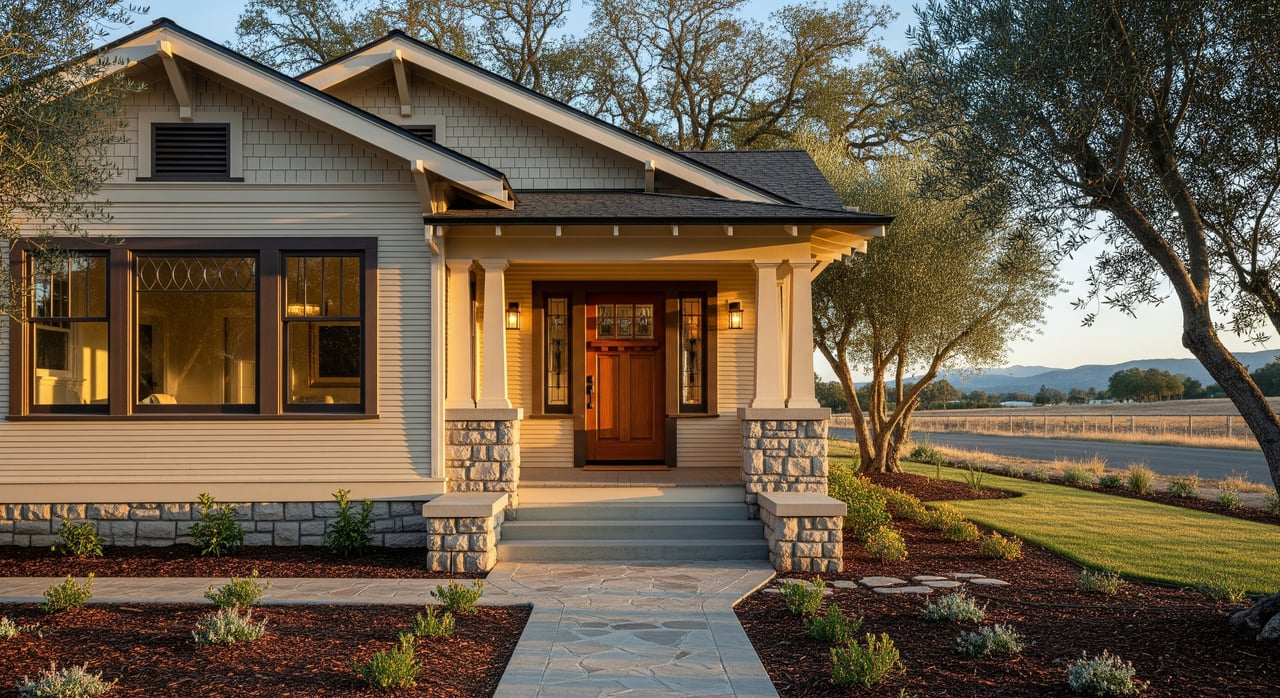
Buying your first home in Chico can feel exciting and a little overwhelming. You want a clear plan, realistic costs, and local insight you can trust. In this guide, you’ll learn the Chico-specific steps, timelines, costs, and checks that matter most for first-time buyers in Butte County. You’ll also find practical tips to search smarter and make a confident offer. Let’s dive in.
Why buy in Chico
Chico has historically been more affordable than many coastal or Bay Area markets, with demand shaped by CSU Chico, local employers, and outdoor lifestyle amenities. Inventory and days on market move with the seasons and university calendar. Because market stats change quickly, work with your agent to pull current data from the local MLS and county records before you write an offer.
How the buying process works
Step 1: Get fully pre-approved
A full pre-approval shows sellers you’re serious and helps you set a clear budget. Your lender will review your income, assets, credit, and debts. This can take a few days to 2–3 weeks depending on how fast your documents are ready.
Step 2: Build a complete budget
Estimate your down payment, closing costs, and monthly payment. Include principal and interest, property taxes, homeowners insurance, and HOA dues if applicable. Plan reserves for maintenance and emergencies.
Step 3: Search and tour homes
Use an MLS search with alerts so you see new listings quickly. The active search phase can take weeks to months depending on inventory and your flexibility on location, home type, and condition.
Step 4: Write a strong offer
Your offer packet includes the contract, earnest money details, pre-approval letter, and preferred timelines. You will negotiate price, contingency periods, included items, and the close date. In some cases, buyers use escalation clauses or appraisal gap language, but these increase risk and should be used carefully.
Step 5: Open escrow and complete due diligence
After acceptance, escrow opens and you deposit your earnest money. Escrow commonly runs 21–45 days, with 30 days a frequent target. Typical inspection periods are negotiated, often within the first 7–17 days. Your lender orders the appraisal within the first 2–3 weeks.
Step 6: Close and get the keys
Your lender issues final approval, funds are wired to escrow, and the deed records with the county. Plan your utility transfers, insurance start date, and move-in during the week of closing.
Smart local checks to do early
- Wildfire exposure. Review the state’s Fire Hazard Severity Zones for your target areas using the CAL FIRE map. Start insurance quotes early if a property sits in a higher-risk zone. Explore the interactive CAL FIRE Fire Hazard Severity Zones map.
- Flood risk. Check whether a property is in a Special Flood Hazard Area. Lenders often require flood insurance in these zones. Use the FEMA Flood Map Service Center.
- Earthquake and seismic hazards. California disclosures cover fault zones and seismic hazards. Ask about any retrofits and verify permit history.
- Utilities and septic/well status. Many Chico homes are on city water and sewer, while rural Butte County properties may use private wells and septic systems. For septic and well records, contact Butte County Environmental Health.
- Permits and code compliance. Verify past work and open permits with the city. Check the City of Chico Building Division for permit records and requirements.
- Property taxes and special assessments. Some newer subdivisions may include Mello-Roos or other community facility fees. Review the tax bill and consult the Butte County Assessor for property tax details.
What it really costs
- Down payment. Conventional loans can start as low as 3–5 percent down for eligible buyers. FHA, VA, and USDA offer additional options depending on eligibility.
- Closing costs. Budget 2–5 percent of the loan or purchase price for lender fees, appraisal, title and escrow, recording, and prepaid items like taxes and insurance.
- Inspections. Plan for a general home inspection, a pest or WDO report, and any specialty inspections like roof, HVAC, septic, and well tests.
- Ongoing costs. Estimate California property taxes at roughly 1 percent of assessed value plus local assessments. Add homeowners insurance, HOA dues if any, utilities, and a maintenance reserve. In higher wildfire risk areas, insurance premiums can be higher, so it pays to shop early.
Financing and first-time buyer programs
- Conventional loans. Competitive rates and flexible terms, with private mortgage insurance if you put less than 20 percent down.
- FHA loans. Lower down payment and more flexible credit standards. Mortgage insurance applies.
- VA loans. Zero-down options for eligible veterans and active-duty service members. Learn more about VA home loans.
- USDA Rural Development. Zero-down options in eligible rural areas. Some parts of Butte County may qualify. Check the USDA eligibility map.
- California programs. CalHFA offers first-time buyer loans and down payment assistance, subject to eligibility and funding. See current options at CalHFA.
Program terms change often. Start with a lender who can explain your options and provide a Loan Estimate for accurate numbers.
Making a strong offer in Chico
- Contingencies that protect you. Loan, inspection, appraisal, title, and HOA document review contingencies give you time to investigate and secure financing. Septic, well, and WDO inspections are common in the area.
- Earnest money deposit. This good-faith deposit is negotiated and held in escrow. It is typically applied to your down payment at closing.
- Timelines that fit the market. Shortening contingency periods or offering a preferred close date can help in competitive situations, but weigh the risk carefully.
- Other levers. Appraisal gap coverage, escalation clauses, and post-close rent-backs can make an offer more attractive, yet increase your exposure. Discuss pros and cons with your agent before you commit.
Inspections to prioritize
- General home inspection
- Wood-destroying organism and termite report
- Roof, HVAC, and electrical/plumbing evaluations as needed
- Septic system inspection and permit verification where applicable
- Well flow and water quality testing for properties with private wells
- Wildfire vulnerability review, including defensible space and ember-resistant features
Schedule inspections promptly after acceptance so you have time to request repairs or credits within your contingency period.
Use MLS tools and alerts to your advantage
Set focused MLS filters for price, beds, baths, square footage, lot size, year built, and days on market. Use map and radius search to target your commute corridor. Try keywords like “septic,” “well,” “solar,” “new roof,” or “in-law” to find specific features. Save searches and enable alerts for new listings and price changes. Ask your agent to run a Comparative Market Analysis to understand value before you write.
Mortgage calculator tips
Input the purchase price, down payment, loan term, interest rate, estimated property tax rate, homeowners insurance, HOA dues, and PMI if required. Review:
- Monthly principal and interest
- Estimated taxes and insurance
- Total monthly payment, including HOA and PMI
- How payments change over time with an amortization schedule
Lenders often look for a front-end housing ratio near 28 percent and a total debt-to-income ratio in the 36–43 percent range, but guidelines vary by program. Use your lender’s estimates to fine-tune affordability.
Quick checklists
Pre-approval checklist
- Last 30 days of pay stubs and last 2 years of W-2s or 1099s
- Last 2 months of bank statements and documentation of assets
- Photo ID and proof of residence history
- Explanation for large deposits or credit items if needed
Neighborhood checklist
- Commute time and access to Highway 99 or transit
- Proximity to services and CSU Chico influence on nearby rental activity
- Wildfire and flood map review for target areas
- Utility status: city water and sewer or well and septic
- Permits and potential Mello-Roos or special assessments
Inspection checklist
- General home inspection and WDO report
- Roof, HVAC, and electrical/plumbing follow-ups as needed
- Septic inspection and well tests where applicable
- Insurance quotes and wildfire vulnerability review
Offer checklist
- Pre-approval letter and earnest money plan
- Desired contingencies and time frames
- Preferred close date and any seller rent-back needs
- List of included and excluded personal property
Closing checklist
- Wire instructions verified with escrow by phone
- Homeowners insurance start date
- Final walk-through scheduled
- Utilities transfer and move-in plan
Timeline at a glance
- Pre-approval: a few days to 2–3 weeks
- Home search: weeks to months
- Escrow: commonly about 30 days, but negotiable from 21–45 days
Where to verify information
- Wildfire risk: CAL FIRE Fire Hazard Severity Zones
- Flood risk: FEMA Flood Map Service Center
- Permits: City of Chico Building Division
- Septic and well records: Butte County Environmental Health
- Property taxes and assessed value: Butte County Assessor
- Down payment assistance: CalHFA
- VA loans: VA home loan resources
- USDA loans: USDA eligibility map
Ready to take your first step with a local expert by your side? Reach out to Heather DeLuca for neighborhood-level guidance, tailored searches, and a smooth path from pre-approval to keys.
FAQs
How much cash do I need to buy in Chico?
- Add your down payment, plus 2–5 percent for closing costs, plus inspection fees and a reserve for move-in and maintenance. Ask your lender for a Loan Estimate to confirm your cash-to-close.
Which contingencies should first-time buyers keep?
- Most first-time buyers keep loan, inspection, and appraisal contingencies because they protect financing, condition review, and value. Discuss timing and risk before shortening or waiving any contingency.
How long does the whole process take in Chico?
- Pre-approval can take days to a few weeks, the active search often takes weeks to months, and escrow commonly runs about 30 days, though 21–45 days is negotiable.
Can I get down payment assistance in Butte County?
- Start with statewide options from CalHFA, and check City of Chico or Butte County housing resources for any current local programs. Availability and income limits change over time.
How do wildfire and flood hazards affect buying?
- Review CAL FIRE maps, check flood status through FEMA, order a Natural Hazard Disclosure, and get insurance quotes early. Hazard level can affect insurance cost and availability.
What hidden costs surprise Chico buyers?
- Septic or well repairs on rural properties, higher fire insurance premiums in some areas, seismic-related upgrades in older homes, HOA assessments, and deferred maintenance items like roof or HVAC replacement.