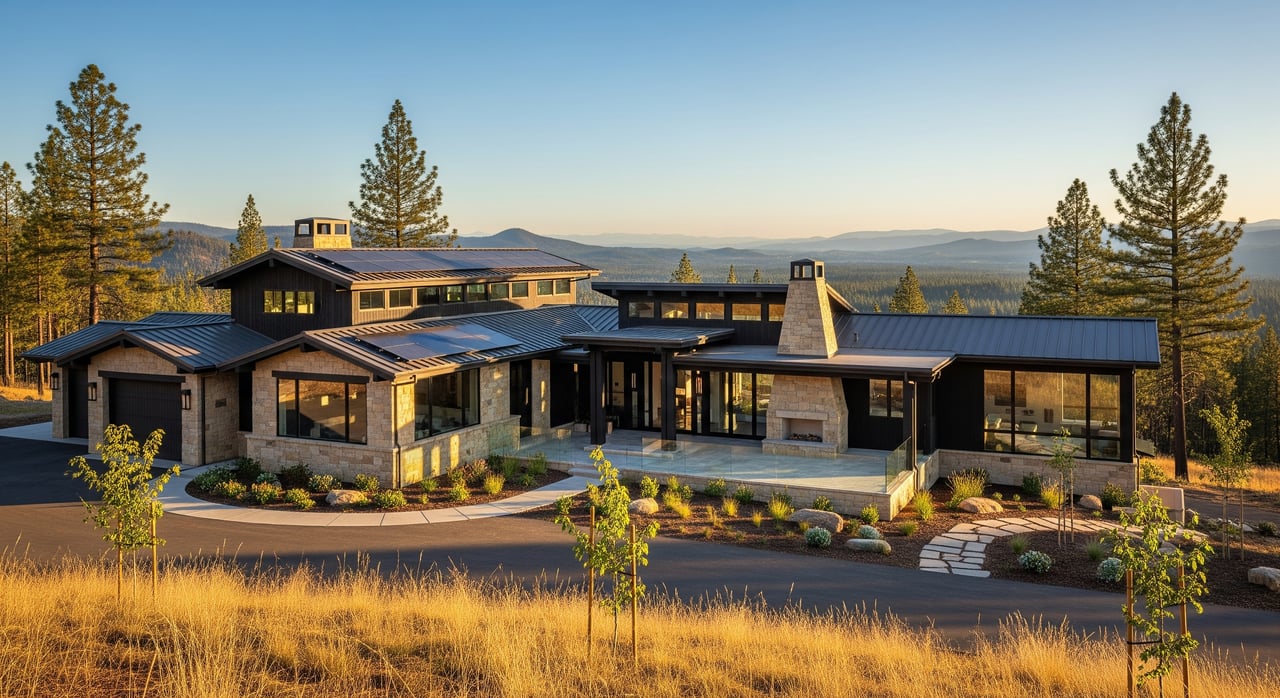
Are you trying to make sense of home prices and activity in Paradise right now? You are not alone. After years of rebuilding, the market is still shifting, and that can make decisions feel uncertain. In this guide, you’ll learn the key forces shaping supply, pricing, and days on market, plus simple metrics you can track to cut through the noise. Let’s dive in.
Paradise today: What to expect
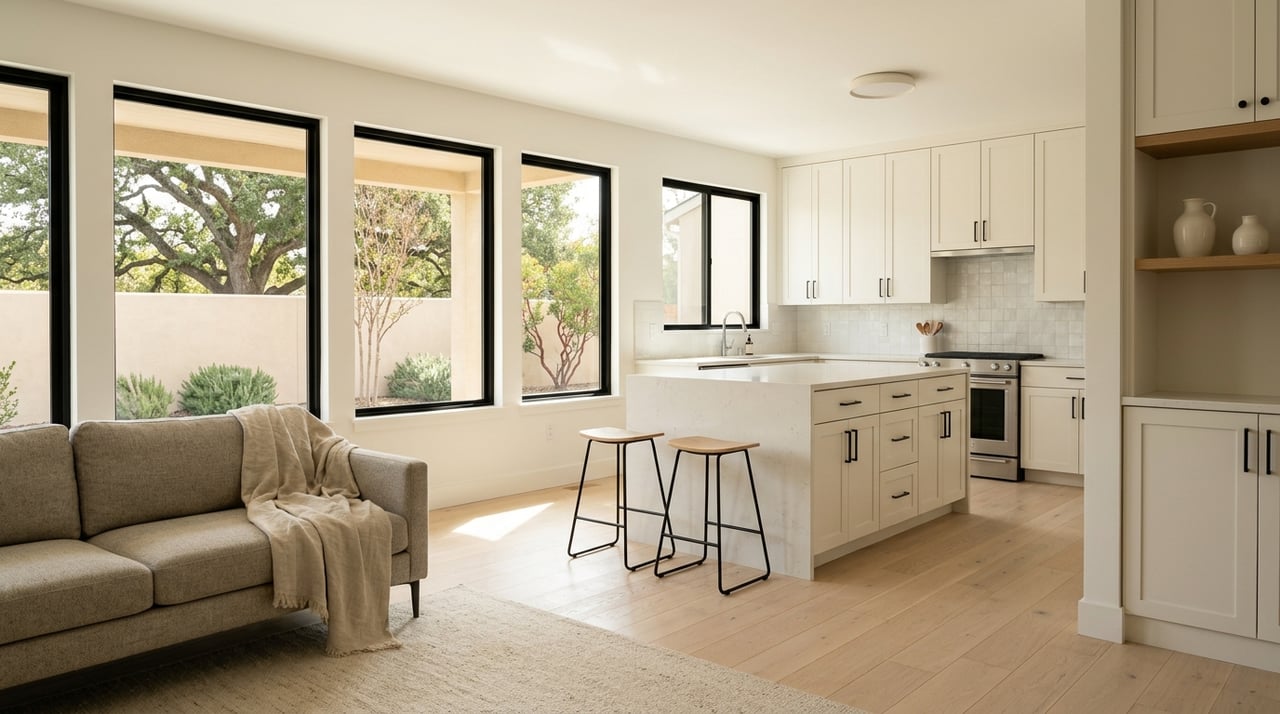
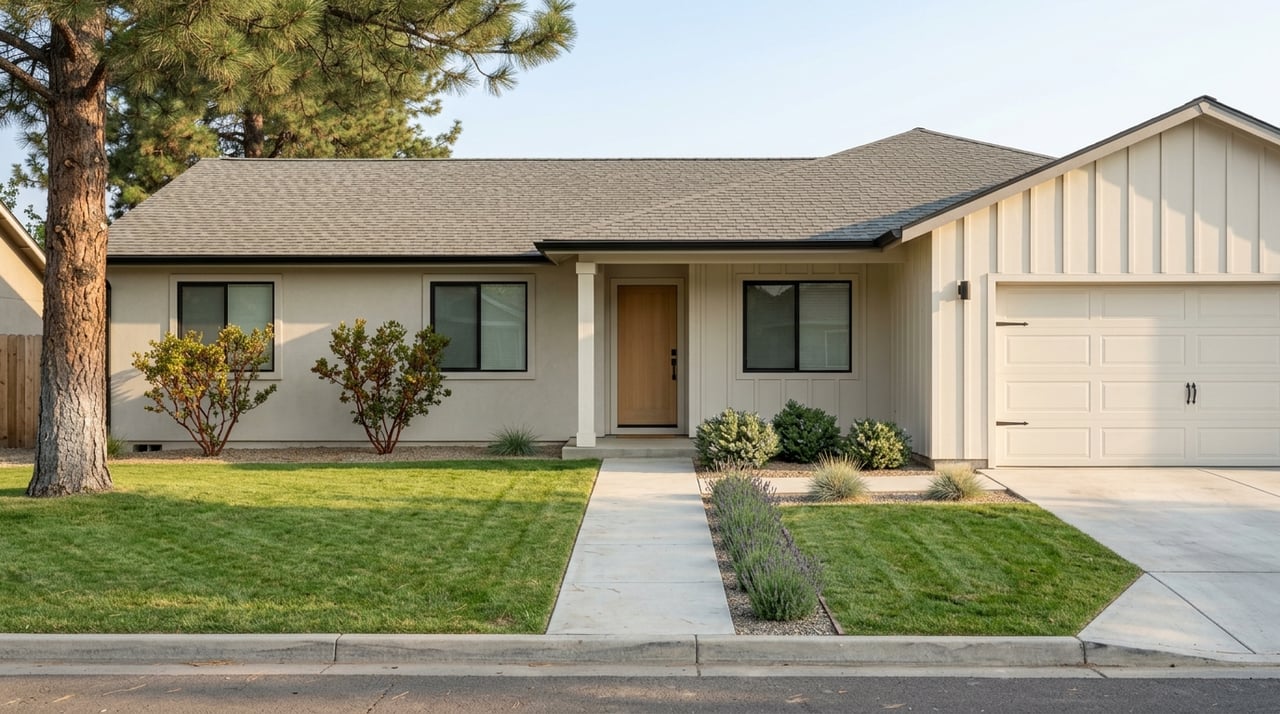
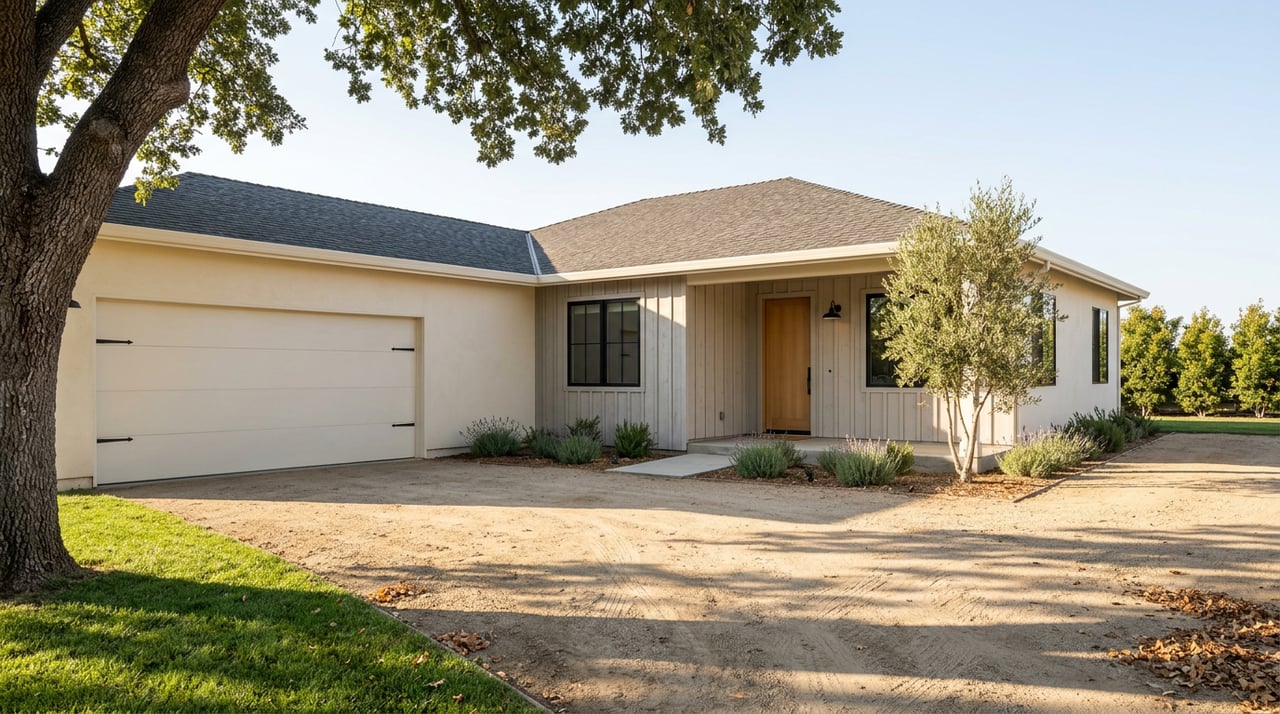
Paradise is moving from a post-disaster rebuilding phase toward a more typical market. That transition affects what you see when you shop or list a home. A higher share of listings are new or fully rebuilt, and inventory can change quickly as new permits turn into finished homes. Pricing varies with rebuild status, lot condition, and wildfire mitigation completed.
Paradise’s history matters. The 2018 Camp Fire destroyed much of the housing stock, and recovery has been steady but uneven. That legacy still influences insurance availability, lending, and how buyers view risk. It also means small changes in new construction can shift the market more than you might expect because the overall base of listings is still relatively small.
New construction pace
New construction pace is the rate at which building permits become completed, move-in-ready homes. In Paradise, this pace sets the tone for supply, comps, and buyer expectations. A cluster of finished rebuilds in one area can quickly reset pricing for nearby properties.
What affects the pace:
- Permit processing capacity at Butte County Planning & Development.
- Infrastructure readiness like water, sewer, roads, and power.
- Costs and availability of labor and materials.
- Builder and construction financing.
- Site conditions such as lot clearing, defensible space, and slope or soil needs.
How to monitor it:
- Track building permits issued and certificates of occupancy.
- Watch time from permit to completion, not just permits alone.
- Compare permits to the estimated housing stock to see if new builds are likely to shift supply in the near term.
Inventory mix
Inventory mix describes what types of properties are for sale. In Paradise, you will often see a blend of fully rebuilt homes, partially completed properties listed “as-is,” intact existing homes, vacant lots, and mobile homes.
Why it matters:
- New, fire-hardened homes tend to sell faster and at a premium because they offer modern features and more predictable insurance.
- Vacant lots or properties that need substantial work can sit longer and sell at a discount.
- A larger share of incomplete or as-is listings can make appraisals tougher due to fewer clean comps.
What to watch:
- Percent of active listings that are new or rebuilt.
- Number of vacant-lot sales per quarter.
- Days on market by property type.
Price segments explained
It helps to think in broad price bands. The exact dollar breakpoints will change over time, so lean on recent local comps.
- Entry level: Smaller, move-in-ready homes and select rebuilt properties that appeal to budget-minded buyers, including Chico commuters.
- Mid-tier: The most active segment, typically rebuilt or recently constructed single-family homes with standard wildfire hardening features.
- Upper tier: Larger or higher-amenity homes, often fully rebuilt with high-quality fire-hardened construction or unique attributes like larger lots or views.
A quick guide to market balance:
- Months of inventory under 4 is commonly a seller’s market.
- Four to 6 months is usually balanced.
- Over 6 months leans toward a buyer’s market.
Apply this lens by segment. For example, entry-level may be tight while upper-tier inventory is slower.
Who is buying in Paradise
Buyer profiles in Paradise today include:
- Returning residents who are rebuilding or moving back.
- Chico-area buyers seeking more space or a different price point.
- Buyers prioritizing newer, fire-hardened construction and completed defensible space.
- Small builders or investors buying lots to build or flip.
- Out-of-area buyers interested in lot sizes, views, or specific opportunities.
These differences affect pricing and time to sell. Owner-occupants often pay more for turnkey, fully permitted homes. Investors tend to target lots or projects and expect discounts for work and holding time.
What drives price and days on market
Property-level drivers
- Rebuild status: Finished, permitted homes sell faster and at higher prices. Unfinished or unpermitted projects limit financing and lengthen timelines.
- Fire-hardening and defensible space: Class A roofing, fire-resistant siding, and completed defensible space improve marketability and can help with insurance.
- Utilities and infrastructure: Reliable water, sewer or septic, and electric service increase buyer confidence and value.
- Code compliance: Final permits and a certificate of occupancy reduce risk and speed closing.
- Lot specifics: Larger, level lots with good access usually sell faster than steep or difficult-access parcels.
- Location context: Properties with buffers and clear surroundings may see stronger demand due to wildfire risk perceptions.
Market-level drivers
- Insurance availability and premiums: Insurance can make or break deals. Buyer pools shrink when coverage is hard to secure or very costly.
- Lender and appraisal dynamics: Thin comps or many new builds can challenge appraisals, which affects financing.
- Inventory flow: A burst of newly finished homes can temporarily increase competition and days on market.
- Permitting and infrastructure progress: Faster permitting and infrastructure upgrades can accelerate supply.
- Macro trends: Interest rates, regional employment, and migration patterns influence demand.
Practical signs to watch
- Months of inventory by segment to gauge leverage.
- Share of move-in-ready listings vs lots or projects.
- Notes about insurance challenges in listing remarks.
- Price per square foot for recent completed rebuilds to set realistic expectations.
The metrics that matter
Use a simple set of metrics and focus on 3 to 6 month rolling averages to smooth small-sample noise.
- Median sale price: Use this to spot direction, not predict your exact sale price.
- Active listings and new listings per month: Shows whether supply is building or shrinking.
- Months of inventory: Active listings divided by monthly sales. Under 4 suggests seller advantage.
- Median days on market: Track by property type if possible.
- Percent of sales that are new or rebuilt: Helps you pick the right comps.
- Permit volume: Permits issued per quarter or year hint at future listing flow.
Where to look: local MLS data, Butte County Planning & Development permit logs, Butte County Recorder for land sales, and local REALTOR market snapshots. For broader context, review reputable research pages that track regional prices and time-on-market trends.
How to prepare as a buyer
- Get clear on insurance early. Ask your lender and agent how insurance affects your total monthly cost and loan approval.
- Decide on turnkey vs project. Move-in-ready, fully permitted rebuilds usually cost more but save time and uncertainty.
- Verify permits and final sign-offs. Confirm certificate of occupancy where applicable.
- Evaluate wildfire mitigation. Look for hardened materials and completed defensible space. Budget for future maintenance.
- Watch your segment’s months of inventory. It can indicate how fast you need to move and how to structure offers.
How to prepare as a seller
- Finish the paper trail. Final permits and certificates of occupancy reduce buyer risk.
- Complete defensible space and document it. Photos, contractor invoices, and checklists help buyers and insurers.
- Price with the right comps. Compare to completed rebuilds when relevant, not just older pre-fire homes.
- Be transparent. Disclose rebuild history, insurance history, and any known infrastructure details.
- Time your list date. If several new builds are coming soon nearby, consider how that might affect showings and price.
Bottom line for Paradise
Paradise is steadily normalizing, but the mix of new construction, lots, and completed rebuilds makes this a very local market. If you focus on the right metrics and select the correct comps, you can navigate pricing, insurance, and timing with confidence. Whether you are eyeing a turnkey rebuild or prepping a lot or finished home for sale, careful preparation will protect your time and your budget.
Ready for a local plan tailored to your property or purchase goals in Paradise and Chico? Connect with Heather DeLuca for a data-informed strategy and a free home valuation.
FAQs
How is the Paradise housing market different from nearby areas?
- Paradise has a higher share of new or rebuilt homes and more active lot sales, which makes inventory and comps behave differently than larger, more established markets.
What does months of inventory mean in Paradise?
- It is active listings divided by monthly sales; under 4 months usually favors sellers, 4 to 6 is balanced, and over 6 tends to favor buyers.
Do rebuilt homes sell for more in Paradise?
- Often yes when they are fully permitted, fire-hardened, and move-in-ready, because buyers value lower uncertainty and modern standards.
Why do some listings sit longer in Paradise?
- Lots and unfinished projects take longer due to financing limits, construction timelines, and insurance or infrastructure questions.
How important is defensible space to buyers and insurers?
- Very important; completed, documented defensible space improves marketability and can help with insurance eligibility and timing.
What data sources should I track before I buy or sell?
- Check local MLS stats, Butte County Planning & Development permit activity, county recorder land sales, and local market snapshots, and use 3 to 6 month rolling averages.